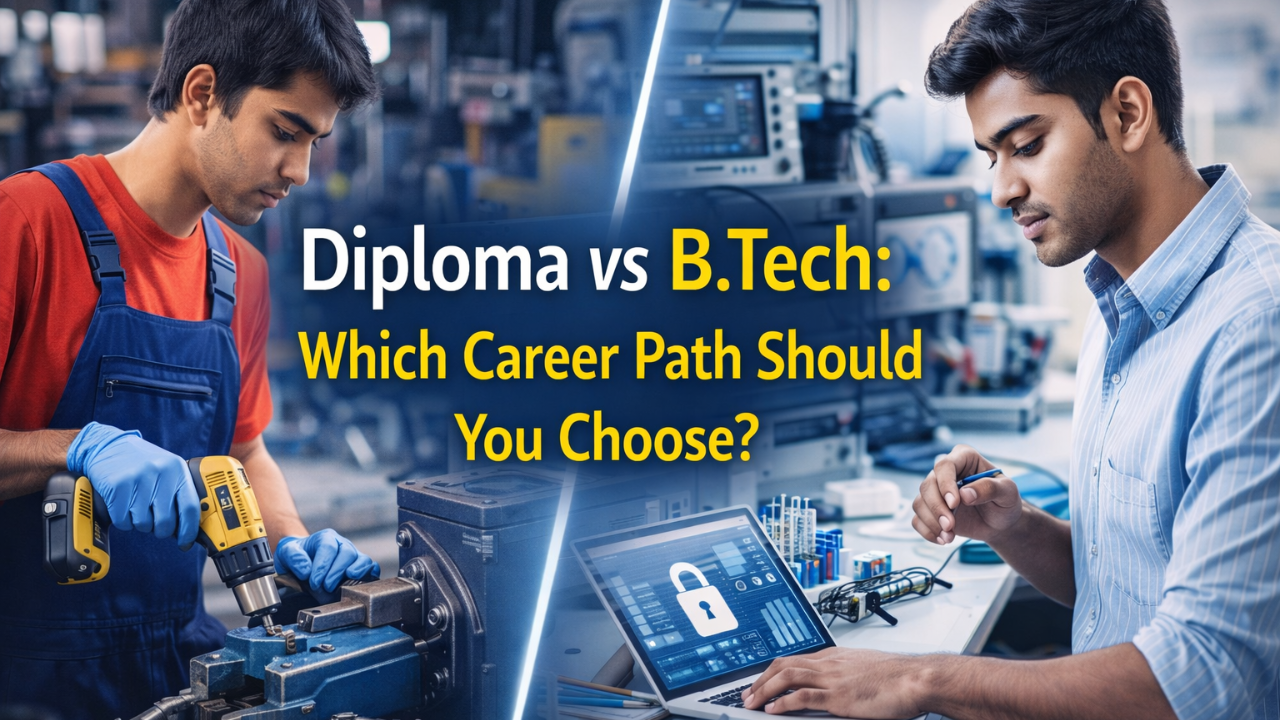
Polytechnic education plays a vital role in preparing students for technical and vocational careers. Unlike traditional academic programs that focus heavily on theoretical knowledge, polytechnic institutions emphasize hands-on learning and skill development. In 2025, as industries demand job-ready professionals, practical training has become a cornerstone of effective polytechnic education.
This article explores why practical training is essential, how it benefits students, and its impact on industry readiness and economic growth.
Table of Contents
What is Practical Training in Polytechnic Education?
Practical training refers to hands-on learning experiences that allow students to apply theoretical concepts in real-world situations. This includes laboratory work, workshops, internships, industrial visits, and project-based learning.
In polytechnic education, practical training is not just an addition—it is an integral part of the curriculum. Students learn by doing, which helps them understand complex technical processes more effectively than through textbooks alone.
Bridging the Gap Between Theory and Practice
One of the biggest challenges in education is the disconnect between classroom learning and real-world application. Practical training helps bridge this gap by enabling students to implement what they have learned in a controlled environment.
For example, a student studying electrical engineering may learn about circuits in theory, but practical sessions allow them to build and test those circuits. This hands-on experience reinforces understanding and builds confidence.
By connecting theory with practice, students develop a deeper and more meaningful understanding of their field.
Enhancing Technical Skills and Competence
Practical training is essential for developing technical skills that are directly applicable in the workplace. Students gain experience in using tools, machinery, software, and equipment relevant to their industry.
These skills include:
- Operating industrial machines
- Conducting experiments and tests
- Troubleshooting technical problems
- Following safety procedures
Such competencies are highly valued by employers, as they reduce the need for extensive on-the-job training.
Improving Employability and Job Readiness
In today’s competitive job market, employers seek candidates who can contribute from day one. Practical training gives polytechnic students a significant advantage by making them job-ready.
Internships and industry exposure allow students to:
- Understand workplace expectations
- Develop professional behavior
- Build communication and teamwork skills
- Gain real-world experience
As a result, graduates with strong practical training are more likely to secure employment quickly and perform effectively in their roles.
Encouraging Problem-Solving and Critical Thinking
Practical training challenges students to think critically and solve real-life problems. Unlike theoretical learning, which often involves predefined answers, hands-on tasks require creativity and adaptability.
Students learn to:
- Analyze situations
- Identify problems
- Develop solutions
- Evaluate outcomes
These problem-solving skills are essential in technical fields, where unexpected challenges are common.
Boosting Confidence and Independence
Working on practical projects helps students build confidence in their abilities. Completing tasks, operating equipment, or solving technical issues gives them a sense of achievement.
This confidence translates into greater independence. Students become more willing to take initiative, experiment with new ideas, and handle responsibilities in professional settings.
Keeping Up with Industry Trends and Technology
Industries are evolving rapidly with advancements in technology. Practical training ensures that students stay updated with the latest tools, techniques, and industry standards.
Polytechnic institutions often collaborate with industries to design training programs that reflect current market needs. This exposure helps students adapt to modern work environments and remain relevant in their careers.
Promoting Safety Awareness
In technical fields, safety is a critical concern. Practical training teaches students how to handle equipment safely and follow industry safety protocols.
Students learn about:
- Risk identification
- Safe operation of machinery
- Emergency procedures
- Use of protective equipment
This awareness not only protects them but also contributes to safer workplaces.
Supporting Innovation and Entrepreneurship
Hands-on learning encourages experimentation and innovation. Students who engage in practical training are more likely to develop new ideas and solutions.
Many polytechnic graduates go on to start their own businesses or contribute to innovation within organizations. Practical experience gives them the confidence and skills needed to turn ideas into reality.
Conclusion
Practical training is the backbone of polytechnic education. It transforms theoretical knowledge into real-world skills, making students competent, confident, and job-ready. In an era where industries demand skilled professionals, hands-on learning is no longer optional—it is essential.
By bridging the gap between education and employment, practical training not only benefits students but also supports economic growth and industrial development. Investing in strong practical training programs is key to building a skilled and future-ready workforce.
FAQs
1. Why is practical training important in polytechnic education?
Practical training helps students apply theoretical knowledge, develop technical skills, and become job-ready.
2. What types of practical training are included in polytechnic programs?
It includes lab work, workshops, internships, industrial visits, and project-based learning.
3. How does practical training improve employability?
It provides real-world experience, enhances skills, and prepares students for workplace challenges.