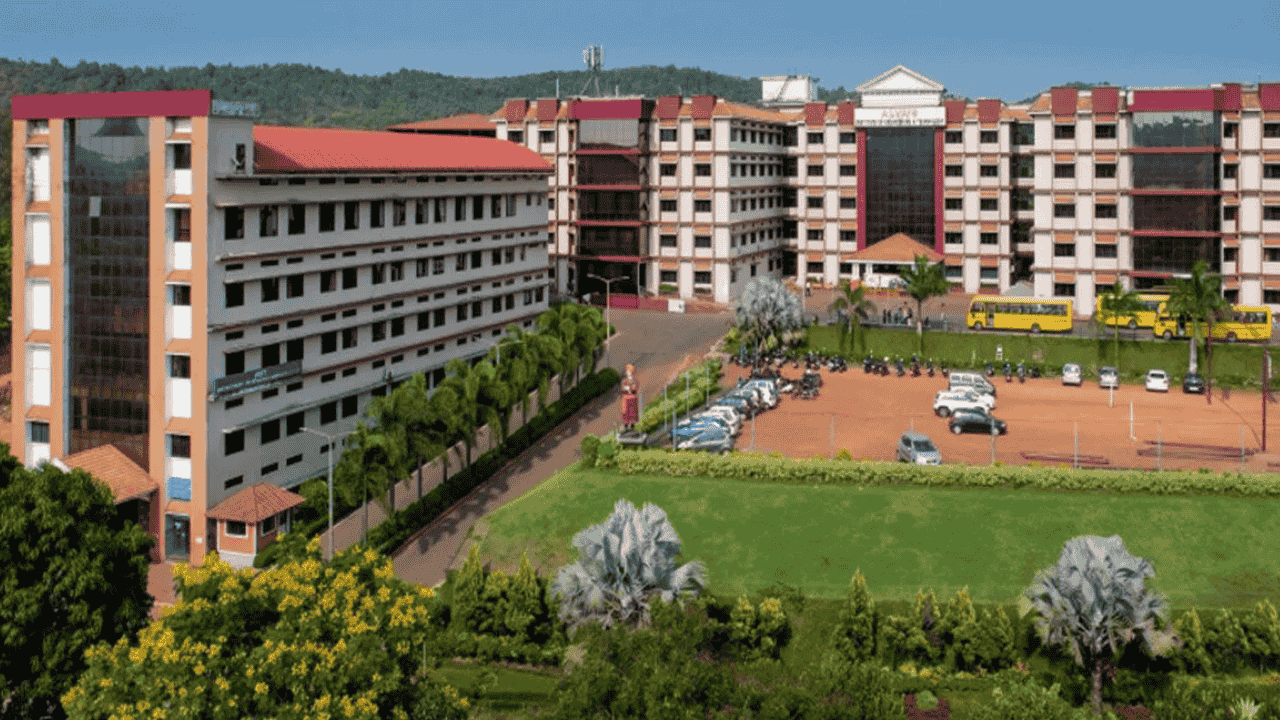
A diploma in engineering qualification from a recognized polytechnic in Karnataka — including Government Polytechnic, Soraba — can open doors to a range of technical and professional roles. Salary expectations vary depending on the industry sector, job role, location, individual skills, and performance. However, diploma holders generally find themselves in well-paid entry-level positions with growth opportunities.
The following guide outlines typical salary ranges, factors affecting earnings, and how career progression influences income for diploma graduates in Karnataka.
Table of Contents
Salary Overview
| Job Role | Approx. Annual Salary (INR) | Remarks |
|---|---|---|
| Junior Engineer | ₹2.4 L – ₹4.0 L | Common in construction, infrastructure |
| Technician | ₹2.0 L – ₹3.6 L | In manufacturing and production |
| IT Support / Network Technician | ₹2.5 L – ₹4.2 L | In IT firms or corporate IT teams |
| Automobile Technician | ₹2.2 L – ₹3.8 L | In service centers and auto industries |
| Electronics Technician | ₹2.3 L – ₹3.5 L | In telecom and consumer electronics |
These figures represent typical starting salaries in the Karnataka job market for diploma graduates. Salaries vary based on employer scale, skill levels, negotiation, and certifications held by the candidate.
Factors Affecting Salary
Several elements influence what a diploma holder earns:
- Industry Sector: IT and telecom roles often offer higher starting salaries compared to traditional manufacturing.
- City vs Rural Job Location: Urban roles in Bengaluru, Mysuru, or Mangaluru tend to pay more than rural placements.
- Skill Set and Certifications: Additional certifications in networking, programming, CNC, or automation enhance earning potential.
- Internship/Project Experience: Practical experience and project exposure improve job readiness and salary negotiation.
- Company Size: Large firms typically offer better packages than small local workshops.
While the average starting salary in Karnataka for diploma graduates may range from ₹2.0 L to ₹4.2 L per annum, these figures can increase significantly with skill enhancements and industry specialization.
Sector-Wise Salary Details
Construction and Infrastructure
Diploma holders in civil and structural roles usually begin as Junior Engineers or Site Supervisors:
- Starting Salary: ₹2.4 L – ₹3.8 L per annum
- With experience, progression to higher supervisory or project coordination roles can raise income.
Information Technology and Networking
Diploma holders with computer or networking specializations may work as:
- System Administrator
- Network Support Engineer
- Starting Salary: ₹2.5 L – ₹4.2 L per annum
- Higher salaries are possible with cloud, cybersecurity, or software certifications.
Automotive and Mechanical Fields
Automobile and mechanical diploma holders often begin in service, diagnostics, or workshop roles:
- Starting Salary: ₹2.2 L – ₹3.8 L per annum
- Certifications in advanced diagnostics and EV technology can boost earnings.
Electronics and Communication
Roles in testing, assembly, maintenance, or support often start at:
- ₹2.3 L – ₹3.5 L per annum
- Specialized skills in embedded systems or automation enhance prospects.
Government and Public Sector Salaries
Diploma holders eligible for government technical posts may earn:
- Junior Technician/Technician Posts: ₹2.6 L – ₹4.2 L per annum
- Public sector recruitments often include additional benefits such as pension contributions and allowances.
Government salary scales tend to be stable and increase over time with experience and promotions.
Freelancing and Self-Employment
Diploma graduates who start service centers, repair shops, or consultancy services may set their own income levels. Earnings depend on:
- Business location & clientele
- Skill proficiency
- Marketing and service quality
Successful self-employment can produce incomes above traditional employment brackets, especially in high-demand technical services.
Higher Education and Salary Growth
Diploma holders who pursue lateral entry into engineering degrees or advanced certifications often see salary increases upon graduation:
- B.E./B.Tech Upgrade: ₹4.0 L – ₹6.5 L+ per annum
- Specialized certifications in IT or automation: ₹3.8 L – ₹5.5 L+ per annum
Higher qualifications significantly enhance income potential and career options.
Experience and Salary Progression
Experience directly influences salary growth. A typical trajectory might look like:
- 0–2 years: ₹2.0 L – ₹3.5 L
- 3–5 years: ₹3.5 L – ₹5.0 L
- 5+ years: ₹5.0 L – ₹7.0 L+ (with specialized skills or leadership roles)
With experience, diploma graduates can advance into senior technician roles, team leads, and technical supervisors.
Skill Development Impact
Additional skills such as:
- Programming languages
- Networking certifications (CCNA, etc.)
- CAD/CAM tools
- Cloud or cybersecurity training
- EV and automotive diagnostics
lead to higher negotiating power during job offers and faster salary growth.
Industry Demand Trends
Growing sectors like:
- IT services
- Renewable energy
- Smart manufacturing
- Automotive electronics
- Telecommunications
present stronger salary opportunities for skilled diploma holders.
Understanding industry demand helps students tailor their skills and improve their salary prospects.
In Summary
Salary expectations for diploma graduates in Karnataka are influenced by branch specialization, skill levels, location, and industry sector. On average, entry-level positions start between ₹2.0 L and ₹4.2 L per annum, with marked growth potential through experience, advanced skills, and higher education.
Diploma holders who actively build practical expertise, pursue certifications, and adapt to evolving technologies are best positioned to achieve higher salaries and long-term career success.