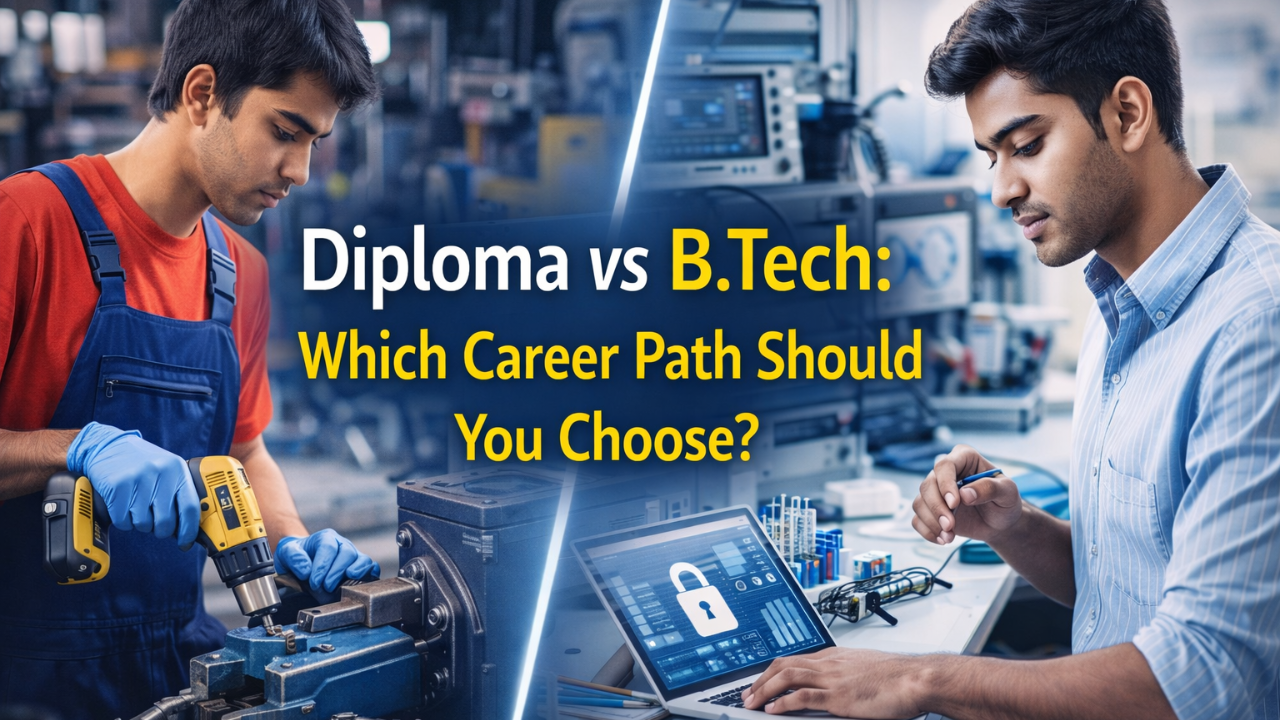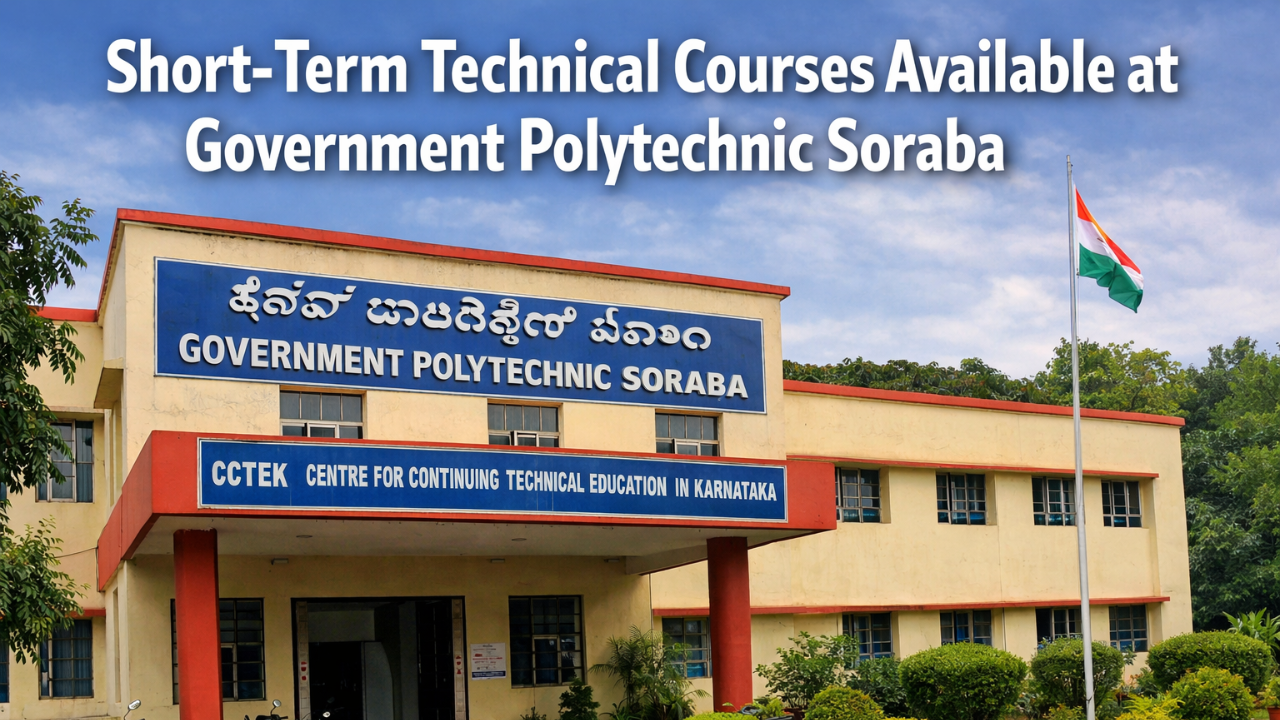
Government Polytechnic Soraba has emerged as a preferred destination for rural students seeking affordable and skill-oriented technical education in Karnataka. Located in the town of Soraba, the institution serves as an accessible and practical educational hub for students from surrounding villages and semi-urban regions. With government support, structured diploma programs, and a focus on employability, the college provides opportunities that align well with the needs and realities of rural communities. Its affordability, accessibility, and career-focused curriculum make it a strong academic option for first-generation learners and economically weaker students.
Table of Contents
Institution Overview
College Highlights
| Feature | Benefit for Rural Students |
|---|---|
| Government Institution | Low tuition fees |
| Local Accessibility | Reduced travel & living costs |
| Skill-Based Courses | Job-oriented learning |
| Scholarship Support | Financial assistance available |
| Practical Training | Hands-on technical exposure |
Affordable Education
One of the biggest reasons rural students prefer Government Polytechnic Soraba is affordability.
Key advantages include:
- Government-regulated low-fee structure
- Availability of post-matric scholarships
- Fee concessions for SC/ST/OBC students
- Hostel and maintenance support schemes
For families dependent on agriculture or daily wages, cost-effective education plays a major role in decision-making.
Local Accessibility
Being located in Soraba makes the college geographically convenient for nearby rural areas.
Benefits include:
- Reduced travel expenses
- Option to commute daily from villages
- Lower accommodation costs compared to cities
- Family support system remains intact
Students can pursue higher education without migrating to expensive urban centers.
Skill-Oriented Programs
Diploma programs offered at the polytechnic focus on practical learning and industry relevance.
Popular engineering diploma streams often include:
- Civil Engineering
- Mechanical Engineering
- Electrical Engineering
- Computer Science
These programs emphasize workshop training, laboratory sessions, and real-world technical exposure.
Practical Learning Focus
Unlike purely theoretical courses, polytechnic education emphasizes hands-on skill development.
Students benefit from:
- Regular lab sessions
- Workshop training
- Field visits
- Mini and major projects
- Industrial exposure programs
This approach suits rural students who often prefer applied learning methods.
Government Recognition
Government Polytechnic Soraba operates under the technical education framework regulated by the Directorate of Technical Education, Karnataka.
This ensures:
- Standardized curriculum
- Recognized diploma certification
- Transparent exam system
- Eligibility for government jobs
Government affiliation builds trust among rural families.
Scholarship Support
Financial assistance plays a key role in rural enrollment.
Available support mechanisms include:
- Post-Matric Scholarships
- SSP Scholarship schemes
- SC/ST welfare schemes
- OBC financial assistance programs
- Minority scholarships
Such schemes reduce financial burden significantly.
Employment Opportunities
Polytechnic diplomas prepare students for:
- Junior Engineer positions
- Technical Assistant roles
- Government job exams
- Private sector technician roles
- Self-employment opportunities
Many rural students aim for stable government or semi-government employment, making diploma education attractive.
Lateral Entry Options
After completing a diploma, students can pursue:
- Lateral entry into B.E./B.Tech programs
- Advanced technical certifications
- Skill development programs
This pathway offers upward mobility without long academic gaps.
Supportive Learning Environment
Smaller institutions like Government Polytechnic Soraba often provide:
- Personalized faculty guidance
- Closer student-teacher interaction
- Better academic monitoring
- Community-based learning atmosphere
Rural students may feel more comfortable in such environments compared to large urban colleges.
Safe and Community-Friendly Atmosphere
Parents in rural areas often prioritize safety and cultural familiarity.
Advantages include:
- Familiar social environment
- Reduced exposure to urban risks
- Community-based peer groups
- Cultural comfort for first-generation learners
This reassurance encourages more families to support higher education.
Encouragement for First-Generation Learners
Government polytechnics play a significant role in:
- Empowering economically weaker students
- Promoting technical literacy
- Supporting rural development
- Bridging urban-rural education gaps
For many families, a diploma is the first step toward professional careers.
Infrastructure Facilities
Though modest compared to metropolitan institutions, the college typically provides:
- Well-equipped laboratories
- Workshop facilities
- Library resources
- Computer labs
- Basic campus amenities
These facilities are sufficient for skill-based technical training.
Affordable Living Costs
Studying in Soraba offers cost benefits such as:
- Lower rental rates
- Affordable food expenses
- Reduced transportation costs
- Minimal lifestyle expenditure
Urban education often comes with higher financial stress.
Rural Development Contribution
Institutions like the Government Polytechnic Soraba contribute to:
- Local workforce development
- Technical skill growth in villages
- Infrastructure project participation
- Rural entrepreneurship
Graduates often return to work within their communities.
Closing Perspectives
Government Polytechnic Soraba remains a popular choice for rural students due to its affordability, accessibility, skill-oriented programs, and government recognition. Located in Soraba, the institution offers a practical pathway for students seeking technical careers without the high financial burden of city-based education. With scholarship support, hands-on training, and employment-focused curriculum, it continues to empower rural youth and contribute to regional development. For many first-generation learners, it serves as a stepping stone toward economic stability and professional growth.