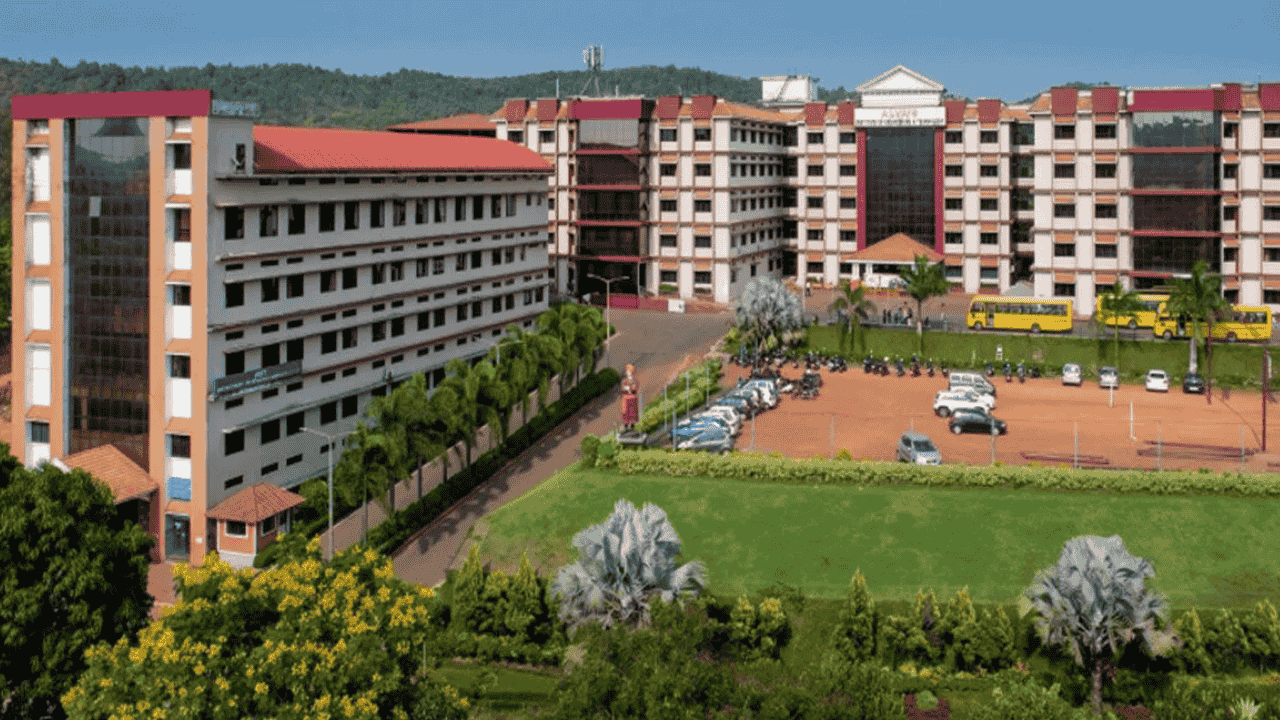
Life at Government Polytechnic, Soraba, combines academic learning, practical training, and campus activities that shape students into competent and disciplined diploma engineers. The institute’s environment supports both classroom instruction and skill development, while fostering peer interaction, responsibility, and professional attitude.
Students follow a structured daily rhythm revolving around lectures, labs, workshops, study sessions, and campus events. This balanced routine helps students manage academic obligations and personal growth throughout their diploma program.
Table of Contents
Student Life Snapshot
| Aspect | Description |
|---|---|
| Academic Mode | Classroom lectures + Labs + Workshops |
| Daily Timing | Morning to afternoon/early evening classes |
| Events & Activities | Technical events, workshops, cultural programs |
| Support Systems | Counseling, mentorship, and study groups |
| Campus Culture | Collaborative, disciplined, skill-oriented |
The blend of structured academics and informal student interaction builds both technical skills and interpersonal qualities essential for future careers.
Academic Classes and Schedule
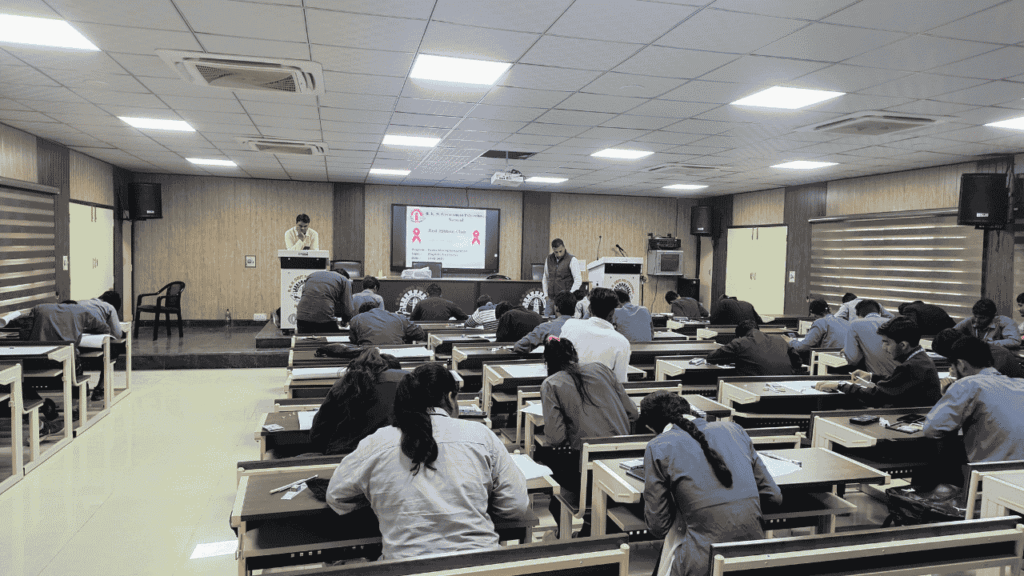
Academic life begins with scheduled classes and laboratory sessions. Government Polytechnic, Soraba follows a timetable that typically runs from early morning to afternoon or early evening, depending on the semester and department.
Students attend:
- Theory Classes: Cover foundational concepts relevant to diploma courses
- Practical Labs: Hands-on sessions in streams such as Civil, Computer Science, Electronics, or Automobile
- Workshops: Skill-building exercise in machine shops, fitting, and fabrication units
Daily academic routines are organized to balance classroom lectures with practical exposure. Teachers deliver structured lessons that align with the board-approved syllabus. Attendance is usually tracked, and students are expected to participate actively in classes and lab tasks.
Daily Routine Patterns
A typical day for a student may include:
- Morning assembly/announcements
- Classroom lectures on core subjects
- Laboratory sessions for practical work
- Lunch break and informal interactions
- Workshops or additional instructional classes
- Study periods or group discussions
Breaks between sessions allow students to refresh and interact. Many students use break times to discuss project ideas, revise subjects, or collaborate on assignments. A disciplined daily routine helps maintain academic focus and time management.
Campus Events and Engagements
Beyond regular classes, students have opportunities to participate in campus events that broaden their experience.
Common activities include:
- Technical workshops and seminars conducted by faculty or invited experts
- Skill development sessions focused on industry tools and trends
- Cultural events and student celebrations foster camaraderie
- Departmental project showcases where students present their work
These events enhance both technical knowledge and soft skills such as communication, teamwork, and leadership. They also provide a break from routine academics and help nurture a sense of community.
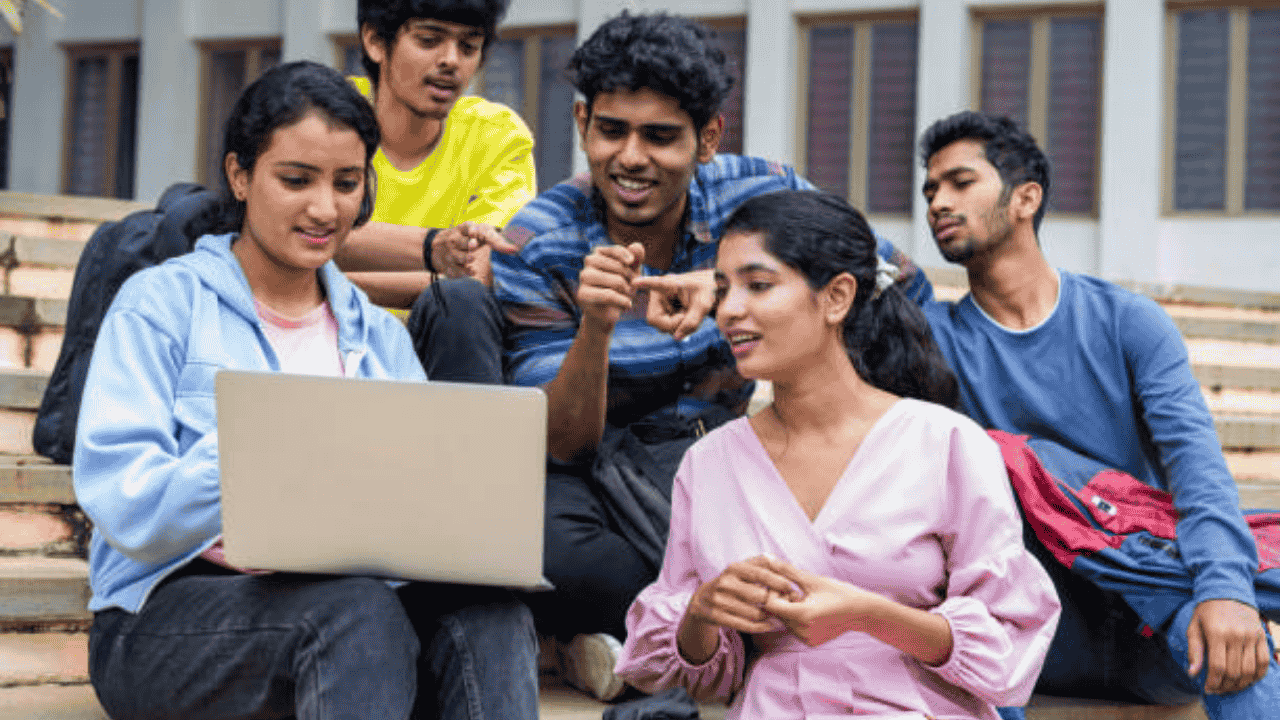
Student Groups and Collaboration
Peer learning plays a significant role in daily life. Students often form study circles or project teams to tackle assignments, prepare for exams, or develop practical solutions.
Collaboration includes:
- Group practice sessions in labs
- Joint study before tests
- Sharing notes and learning resources
- Supporting each other in workshop tasks
Such interactions encourage mutual learning and help build friendships that often last beyond college years.
Mentoring and Support
Faculty members act as mentors who guide students academically and professionally. Teachers help clarify doubts, monitor progress, and offer advice on projects or career guidance.
Support mechanisms include:
- Academic counseling for subject challenges
- Study planning tips from instructors
- Feedback on practical performance
- Guidance on internships or placement preparation
This mentorship contributes to a supportive environment where students feel encouraged and guided.
Extracurricular Balance
In addition to academics, students engage in recreational activities to maintain a balanced lifestyle. Physical fitness and group activities contribute to overall well-being.
Typical extracurricular engagements:
- Sports such as cricket, volleyball, or football
- Indoor games during leisure periods
- Cultural celebrations and team competitions
- Community interactions during eco-social initiatives
These activities promote fitness, mental refreshment, and teamwork skills.
Festivals and Traditions
The campus atmosphere often becomes lively during festivals and annual college functions. Events may include:
- Cultural performances
- Talent shows
- Technical exhibitions
- Award ceremonies
Such occasions help students express creativity and connect outside academics.
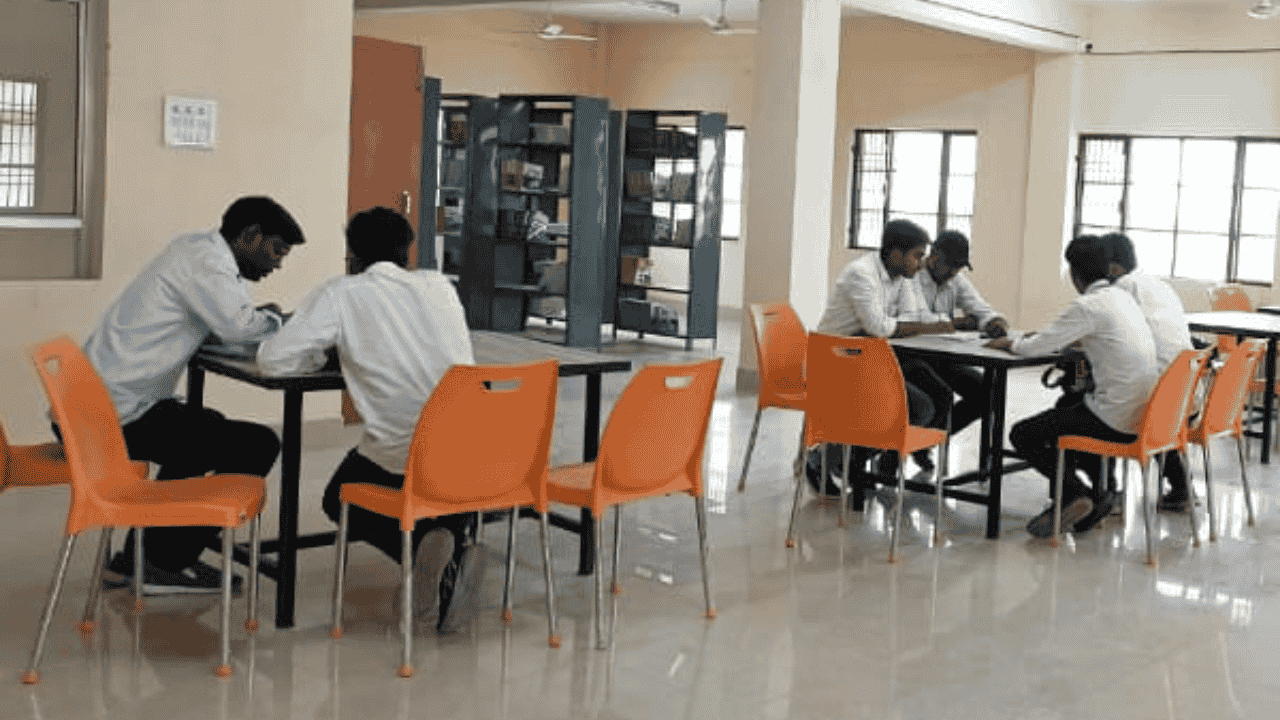
Study Environment and Resources
The institute’s library and laboratories support independent learning and skill enhancement. Students regularly use library spaces for self-study, project research, and exam preparation.
Typical study practices:
- Reviewing lecture notes between classes
- Preparing for lab exercises in advance
- Collaborating on group assignments
- Using reference material for deeper comprehension
A blend of structured and independent study ensures holistic academic progress.
Responsibility and Time Management
Student life at Government Polytechnic, Soraba, encourages discipline and time management. Regular attendance, assignment deadlines, and adherence to schedules teach students to organize priorities effectively.
Students balance:
- Class schedules
- Practical lab work
- Project deadlines
- Personal study plans
This structured approach builds habits that help in both professional and personal life after graduation.
Career Preparation Activities
During later semesters, students engage in activities that prepare them for employment or higher education. These include:
- Resume workshops
- Interview preparation sessions
- Industry trend discussions
- Project presentations
Faculty support helps students navigate career decisions and align their skills with industry requirements.
Final Thoughts
Student life at Government Polytechnic, Soraba, is a blend of academic rigor, practical training, and collaborative engagement. With a balanced daily routine, opportunities for events, study groups, and mentorship, students develop both technical expertise and personal confidence.
The structured environment, combined with social and academic interactions, prepares students for successful careers, higher studies, and meaningful contributions to the technical workforce.