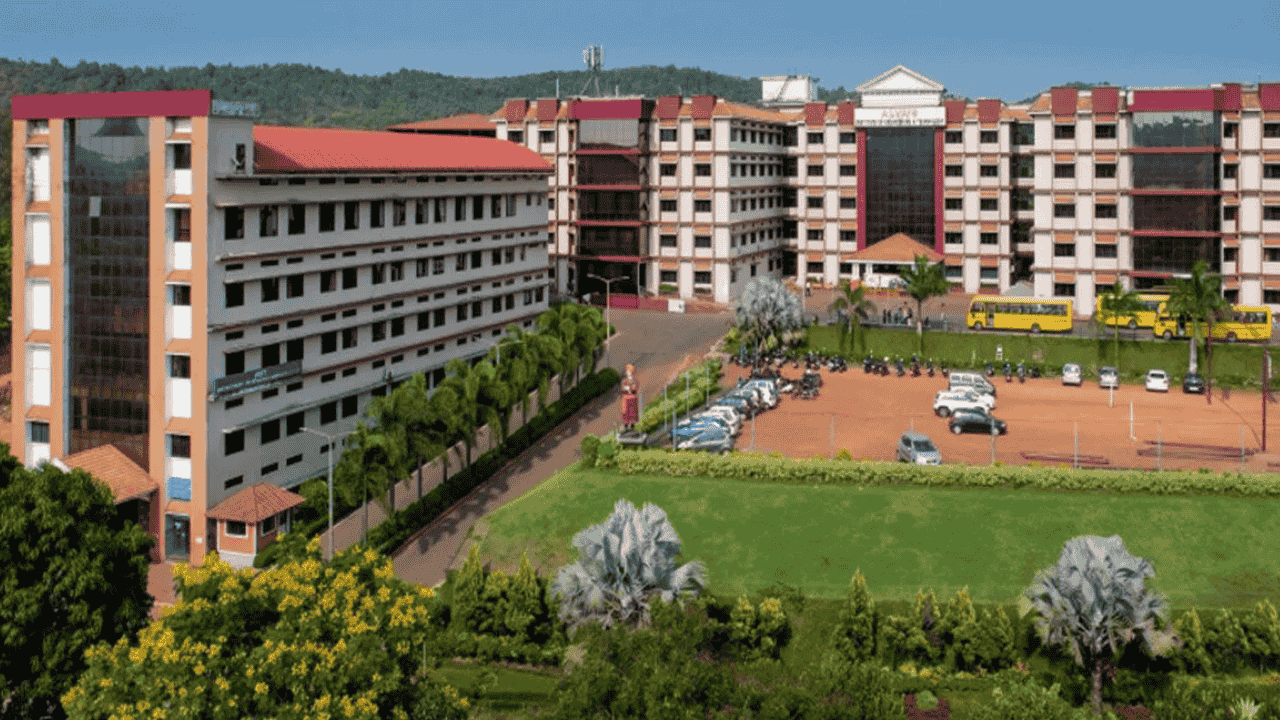
Government Polytechnic, Soraba is a government-run technical institute located in Shivamogga District, Karnataka, operating under the Directorate of Technical Education, Bengaluru. Many students who come from distant towns or rural areas consider hostel accommodation an essential part of their campus experience. Understanding the hostel facilities, fee structure, rules, and living conditions helps students make informed decisions before enrolling.
Hostel life at Government Polytechnic, Soraba supports student comfort, safety, and study habits while providing a community environment conducive to academic focus and personal development.
Table of Contents
Hostel Overview
Hostel accommodation at Government Polytechnic, Soraba, is designed to house outstation students during the academic year. Although specific hostel capacity and fees may vary from year to year, college hostels generally offer basic living amenities at affordable rates compared to private accommodations.
Hostel Facilities
| Hostel Feature | Details |
|---|---|
| Type of Accommodation | On-campus hostel rooms |
| Room Sharing | Shared rooms (multiple students) |
| Furniture Provided | Bed, study table, chair |
| Mess Facility | On-site vegetarian/non-veg meals (optional) |
| Sanitation | Common washrooms and toilets |
| Security | Warden supervision and entry controls |
| Study Areas | Dedicated spaces for evening study |
| Fee Range | Affordable govt-regulated fees |
Hostels are managed with student discipline and safety as priorities. Accommodation is allocated based on availability and admission status.
Types of Rooms
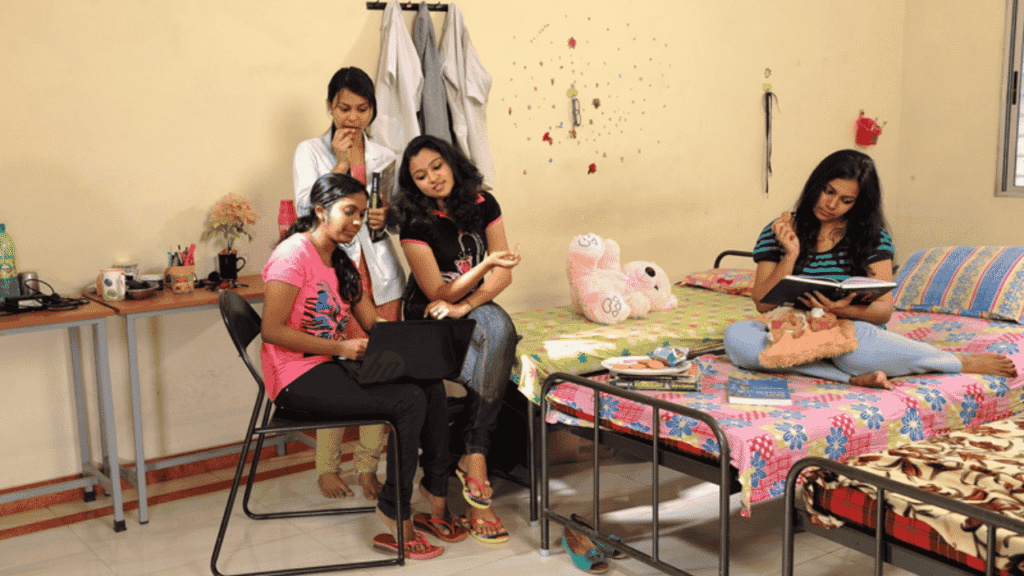
Hostel rooms in government institutes like the Government Polytechnic, Soraba, are typically shared among students. Furnishings may include basic beds, study tables, chairs, and shelves.
Shared living encourages peer interaction and collective responsibility. Room assignments are often based on batch, branch, or year.
Hostels follow cleanliness standards, and students are responsible for maintaining shared spaces. Regular inspections may be conducted to uphold discipline.
Mess and Dining
Most hostels provide an on-site mess facility where students can opt for regular meals. Mess charges are usually collected separately and may be payable monthly or semester-wise.
Mess features typically include:
- Daily breakfast, lunch, and dinner options
- Vegetarian and mixed meal choices (if available)
- Clean dining space and crockery
- Collective menu planning with student inputs
Meal costs are generally affordable and regulated by campus committees or the hostel administration.
Fee Structure
Hostel fees at Government Polytechnic, Soraba, are usually subsidized and affordable, consistent with government standards. Unlike private hostels or PG accommodations, fees are kept low to support students from diverse financial backgrounds.
Typical hostel cost components include:
- Room Rent – Nominal per semester
- Mess Charges – Based on actual food expenses
- Security Deposit – One-time refundable fee
- Maintenance Charges – Upkeep of common facilities
Exact figures vary each academic year, but government hostel fees remain significantly lower than private alternatives.
Students should verify the current fee circulars issued by the institute at the time of admission to confirm exact amounts.
Safety and Supervision
Hostel safety is a core consideration for students and parents. Government Polytechnic, Soraba, hostels emphasize supervision and discipline.
Safety measures include:
- Warden or hostel supervisor presence
- Controlled entry and exit protocols
- Curfew timings for students
- Visitor rules and guest policies
- Emergency contact systems
Hostel staff also coordinate with academic authorities to address student needs and concerns.
Study and Recreational Facilities
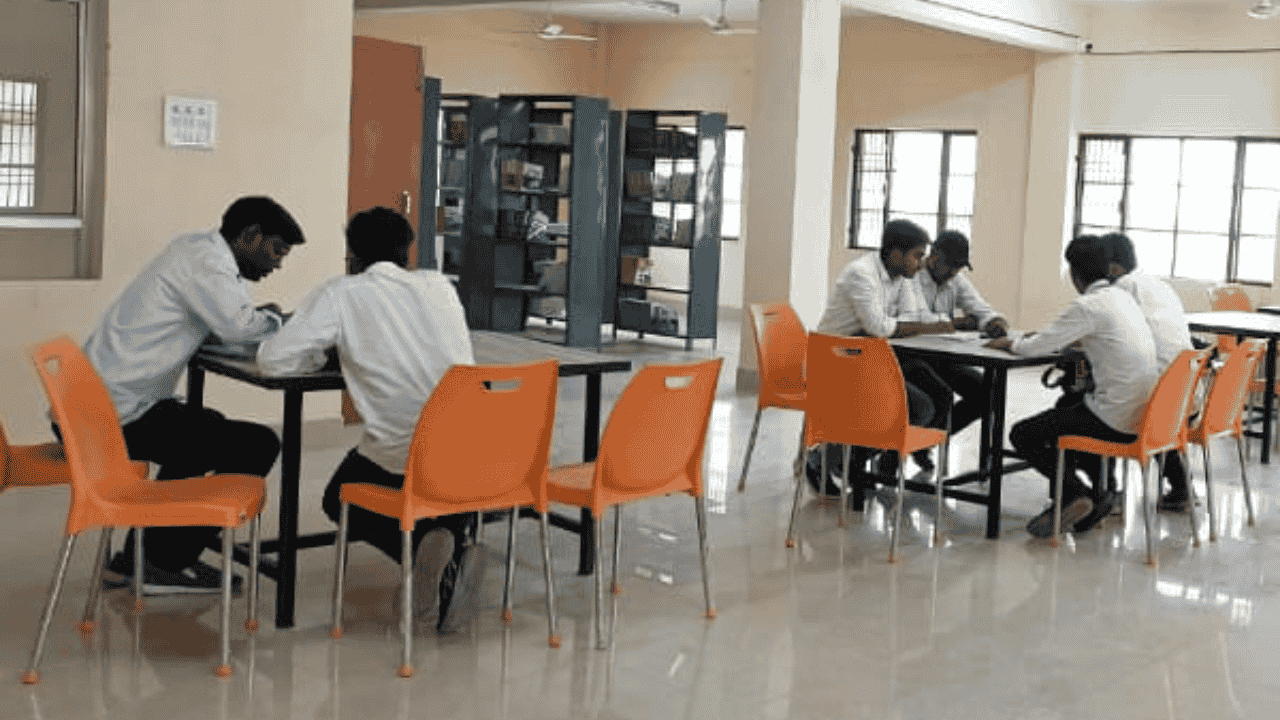
While academic focus is encouraged, hostels also provide spaces for evening study and peer learning.
Typical amenities include:
- Quiet study areas – For group or individual study
- Common rooms – Socializing and relaxation
- Notice boards – For hostel announcements and events
Recreational activities are usually student-organised and may include board games or informal gatherings.
Rules and Regulations
Hostel residents must comply with institutional rules to maintain discipline and harmony. Common regulations include:
- Adhering to attendance and curfew timings
- Maintaining cleanliness in rooms
- No use of unauthorized electrical appliances
- Following the mess rules and payment deadlines
- Respecting hostel supervisors and peers
Violation of rules may lead to disciplinary action as per the institute’s code of conduct.
Advantages of Hostel Living
Staying in the campus hostel offers several benefits:
- Proximity to academic blocks and labs
- Structured environment for study and group learning
- Peer support from fellow engineering aspirants
- Reduced commuting time and transportation costs
- Participation in campus culture and events
Hostel life builds independence, interpersonal skills, and time management — key qualities for professional growth.
Challenges and Expectations
Hostel living also presents common challenges:
- Adjusting to shared space and differing habits
- Managing personal study time and routine
- Adhering to fixed schedules and rules
- Handling homesickness or adaptation stress
However, these challenges contribute to personal resilience and maturity.
Admission to Hostel
Hostel allotment is usually offered after or alongside academic admission. Students are required to submit a separate hostel application form with details such as:
- Academic enrollment proof
- Parent/guardian contact details
- Fee payment receipts
- Medical or dietary information (if necessary)
Priority may be given to outstation students or those with exceptional needs.
Looking Ahead
Hostel facilities at Government Polytechnic, Soraba, provide an affordable and supportive living environment for diploma students. With basic accommodation, supervised mess services, and study-friendly spaces, hostels foster academic focus and student community building.
Prospective residents should confirm current fee structures and facility specifics during admission to make informed decisions. Embracing hostel life helps students grow academically, socially, and personally while pursuing technical education.