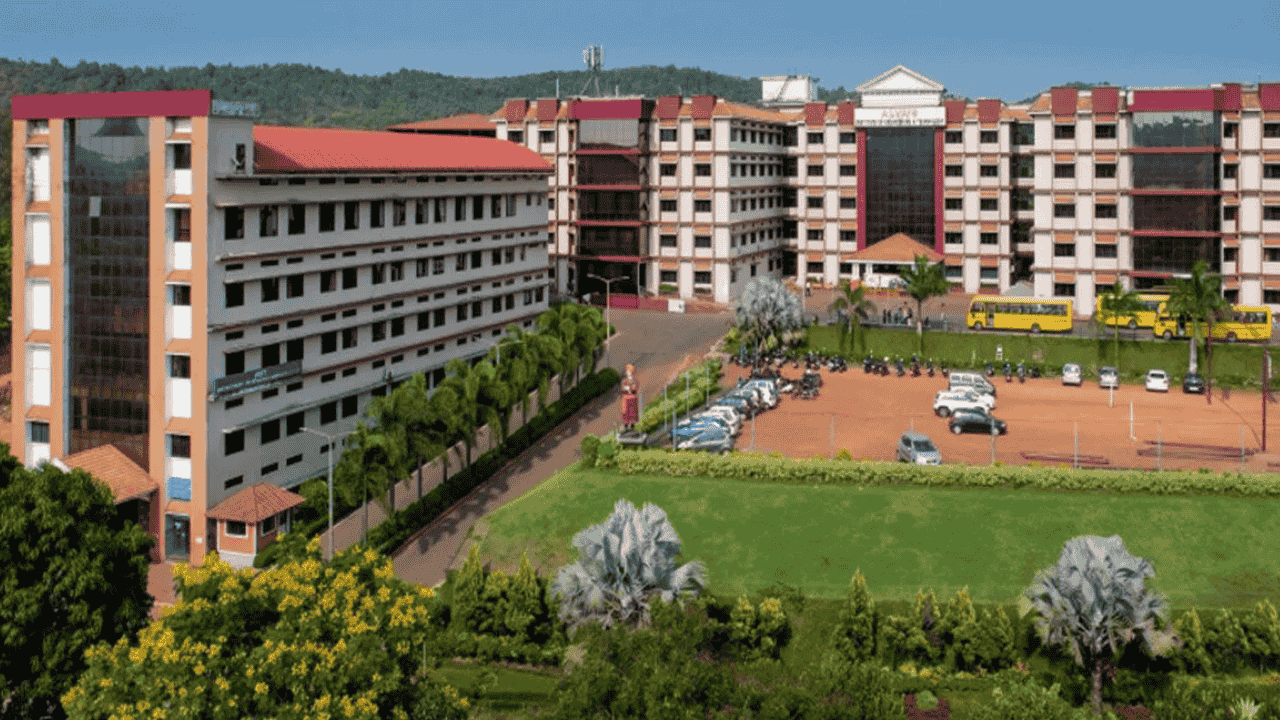
Government Polytechnic, Soraba, is a government technical institution functioning under the Directorate of Technical Education, Bengaluru. Admission to diploma programs is conducted through a centralised merit-based process in Karnataka. Cut-off marks are not officially released as fixed numbers by individual colleges, but they are determined during counselling based on SSLC performance, seat availability, and reservation policies.
Understanding branch-wise trends helps students estimate their admission chances. Since selection is based on Class 10 marks and competition levels, cut-off trends vary each year depending on applicant volume and course demand.
Table of Contents
Cutoff Overview
Diploma admission in Karnataka does not involve a separate entrance examination. Instead, merit lists are prepared using SSLC marks, and seats are allotted through centralised counselling.
Cut-Off Determination Factors
| Factor | Details |
|---|---|
| Merit Basis | SSLC (Class 10) Marks |
| Entrance Exam | Not Required |
| Admission Mode | Centralized Counseling |
| Reservation Policy | As per Karnataka Government Norms |
| Variation | Changes Every Year |
Cut-off essentially refers to the lowest percentage at which a seat in a particular branch is filled during counselling. These marks differ across categories and streams.
Merit Trends
Merit trends play a major role in determining branch allocation. Higher SSLC percentages improve the chances of securing admission in preferred branches.
Generally, students scoring above 70% in SSLC are considered strong candidates for high-demand branches in government polytechnics. Scores between 50% and 70% may secure seats in moderate-demand branches depending on category and seat availability.
Since admission is competitive, even small percentage differences can influence seat allotment outcomes. Students must aim for higher merit positions to increase their selection probability.
Branch Competition
Different diploma branches have varying levels of competition based on career demand and student interest.
Typical competition pattern observed in government polytechnics:
- Computer Science and Engineering – High demand
- Civil Engineering – Moderate to high demand
- Electronics and Communication – Moderate demand
- Automobile Engineering – Moderate demand
Computer-related branches usually attract more applicants due to IT career prospects. Therefore, the closing cut-off for such branches tends to be higher compared to others.
Civil Engineering also maintains a steady demand due to government infrastructure projects and construction sector growth.
Category Impact
Reservation categories significantly influence cut-off marks. Karnataka follows state reservation norms, which create separate merit lists within categories.
Category-based trends generally include:
- General category – Higher closing cut-offs
- OBC categories – Slightly lower than general
- SC/ST categories – Relaxed cut-off margins
- Rural and Kannada medium quota – Additional benefits
Although the minimum eligibility marks remain the same for all, seat allocation priority varies based on the reservation.
Students claiming a reservation must provide valid certificates during document verification to avail category benefits.
Year Variation
Cut-off marks are not fixed and change every academic year. Several dynamic factors influence variation.
Key influencing elements:
- Number of applicants in that year
- Overall SSLC result performance
- Changes in the seat matrix
- Branch popularity shifts
- Counselling round vacancies
If SSLC results are generally high across the state, competition intensifies and cut-offs increase. Conversely, fewer applicants or lower overall performance may slightly reduce closing percentages.
Because of yearly fluctuations, students should focus on maximising their SSLC scores rather than relying on past trends.
Seat Matrix
Seat availability directly impacts cut-off levels. Each branch has a fixed intake capacity, commonly around 60 seats per program in government polytechnics.
If a branch has limited seats and high demand, the closing merit percentage rises. If seats remain vacant after initial counselling rounds, cut-offs may slightly decrease in later rounds.
Understanding seat matrix distribution helps students make realistic branch choices during counselling.
Counseling Rounds
Centralized counseling is usually conducted in multiple rounds. Cut-off trends may shift slightly between rounds depending on seat vacancies.
Round-based observations:
- First round – Highest cut-off
- Second round – Slight reduction if seats remain
- Final round – Possible further relaxation
Students with moderate scores may secure admission in later rounds if vacancies arise. However, relying solely on later rounds is risky, especially for competitive branches.
Strategic Planning
Applicants can improve their admission chances through careful planning.
Recommended strategies:
- Prioritise branch preferences wisely
- Include backup branch options
- Monitor counselling schedules closely
- Keep all documents ready for quick reporting
- Consider location flexibility
Selecting multiple branches increases the likelihood of securing a seat during early counselling rounds.
Career Influence
Branch-wise cut-off trends are closely linked to career demand. Higher-demand sectors such as IT, infrastructure, and electronics drive student interest toward specific diploma streams.
Students should evaluate both cut-off trends and career scope before finalising preferences. Choosing a branch solely based on cut-off difficulty may not align with long-term career goals. Balanced decision-making among interests, aptitudes, and market demand leads to better outcomes.
Final Thoughts
Government Polytechnic, Soraba, cut-off marks for 2026 will depend on SSLC merit, category reservation, seat availability, and branch demand. Since admissions are conducted through centralised counselling under the Directorate of Technical Education, Bengaluru, cut-offs are dynamic and vary each year.
Students aiming for competitive branches should focus on achieving high SSLC percentages and participating actively in counselling rounds. Careful preparation, strategic branch selection, and timely document verification are essential for securing admission in the desired diploma program.