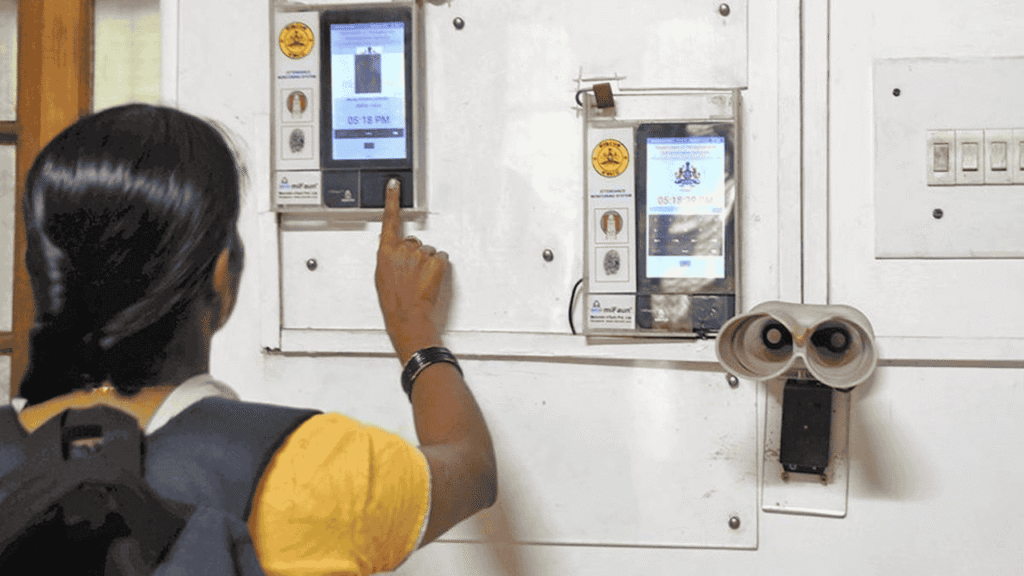
Attendance and internal assessment play a crucial role in the academic structure of diploma education in Karnataka polytechnics. Students are not evaluated solely based on semester-end examinations; instead, continuous internal assessment and mandatory attendance requirements significantly influence overall performance and eligibility for exams. Understanding these rules helps students avoid detention, improve internal scores, and maintain academic discipline throughout the semester.
Table of Contents
System Overview
Attendance & Internal Marks Summary
| Component | Requirement | Impact on Students |
|---|---|---|
| Minimum Attendance | 75% (approx.) | Eligibility for the semester exam |
| Internal Assessment | 20–30% weightage | Added to the final score |
| Unit Tests | Conducted periodically | Contributes to internal marks |
| Assignments | Mandatory submission | Affects internal evaluation |
| Practical Records | Assessed regularly | Required for practical exams |
Attendance Requirement
Karnataka polytechnics generally require students to maintain a minimum 75% attendance in each subject (theory and practical separately) to be eligible to appear for semester examinations.
Key points include:
- Attendance is calculated subject-wise.
- Both theory and practical classes are counted independently.
- Shortage of attendance may lead to exam disqualification.
- Medical leave or valid reasons may require documentation.
Students who fail to meet attendance requirements may be detained and asked to repeat the semester.
Attendance Calculation
Attendance percentage is calculated as:
(Number of classes attended ÷ Total classes conducted) × 100
For example, if 100 classes are conducted and a student attends 76, the attendance percentage = 76%.
Regular attendance is important not only for eligibility but also for internal assessment performance.
Consequences of Shortage
If attendance falls below the required percentage:
- The student may receive a warning notice.
- Parent communication may be initiated.
- The student may not receive a hall ticket for exams.
- Semester repetition may be required in severe cases.
Some institutions may allow condonation for slight shortages upon payment of a prescribed fee and submission of valid proof.
Internal Assessment System
Internal assessment (IA) forms an important part of the evaluation system in Karnataka polytechnics. It usually contributes 20% to 30% of total subject marks, depending on board regulations.
Internal marks are awarded based on:
- Unit tests
- Assignments
- Class participation
- Attendance
- Practical performance
- Record submission
These marks are added to semester exam marks to determine the final result.
Internal Marks Breakdown
While exact distribution may vary, a common internal marks structure includes:
| Assessment Component | Typical Weightage |
|---|---|
| Unit Test 1 | 10 marks |
| Unit Test 2 | 10 marks |
| Assignments | 5–10 marks |
| Attendance & Performance | 5–10 marks |
Faculty evaluate students continuously throughout the semester to calculate final internal marks.
Unit Tests Importance
Unit tests are conducted periodically after completion of syllabus portions.
They help in:
- Tracking academic progress.
- Identifying weak subjects.
- Improving exam preparation.
- Boosting internal score.
Students should treat unit tests seriously, as they directly affect internal marks.
Assignments Role
Assignments are mandatory and contribute significantly to the internal assessment.
Important guidelines:
- Submit assignments before the deadline.
- Maintain neat presentation.
- Avoid copying from peers.
- Follow subject guidelines.
Late or incomplete submissions may reduce internal marks.
Practical Evaluation
For practical subjects:
- Lab performance is assessed regularly.
- Practical records must be completed and signed.
- Viva voce contributes to internal scoring.
- Attendance in lab sessions is mandatory.
Incomplete lab records may lead to reduced internal marks or disqualification from practical exams.
Internal Marks Submission
Internal marks are usually:
- Recorded by subject faculty.
- Verified by department heads.
- Submitted to the technical education board before semester exams.
Once submitted, internal marks are rarely changed unless major errors are found.
Transparency Measures
To ensure fairness:
- Some colleges display internal marks before final submission.
- Students may be allowed to verify marks.
- Complaints can be raised within a limited time.
Maintaining communication with faculty ensures clarity.
Benefits of Strong Internal Performance
Maintaining good internal marks offers several advantages:
- Reduces pressure during final exams.
- Improves overall percentage.
- Provides a buffer if the semester exam score is low.
- Encourages consistent study habits.
Students scoring high in internal assessments are better positioned academically.
Improvement Strategies
To maintain strong attendance and internal marks:
- Attend classes regularly.
- Prepare for unit tests in advance.
- Complete assignments on time.
- Participate actively in practical sessions.
- Seek help from faculty when needed.
Consistency is the key to success in diploma programs.
Common Student Mistakes
Students often make these errors:
- Ignoring attendance until the shortage notice.
- Taking internal tests lightly.
- Submitting copied assignments.
- Skipping practical sessions.
Avoiding these mistakes helps secure both eligibility and strong internal performance.
Academic Discipline
Attendance rules and internal assessments are designed to:
- Promote classroom discipline.
- Ensure consistent learning.
- Encourage active participation.
- Maintain academic standards.
Polytechnic education focuses on both theoretical knowledge and practical skill development, making attendance crucial.
Last Words
Attendance rules and the internal marks system in Karnataka polytechnics are essential components of the academic framework. Maintaining at least 75% attendance ensures eligibility for semester exams, while strong performance in unit tests, assignments, and practical sessions significantly boosts overall marks. Students who remain consistent, disciplined, and proactive throughout the semester benefit not only in final results but also in skill development and academic progression. Understanding and respecting these rules is key to the successful completion of diploma education in Karnataka.