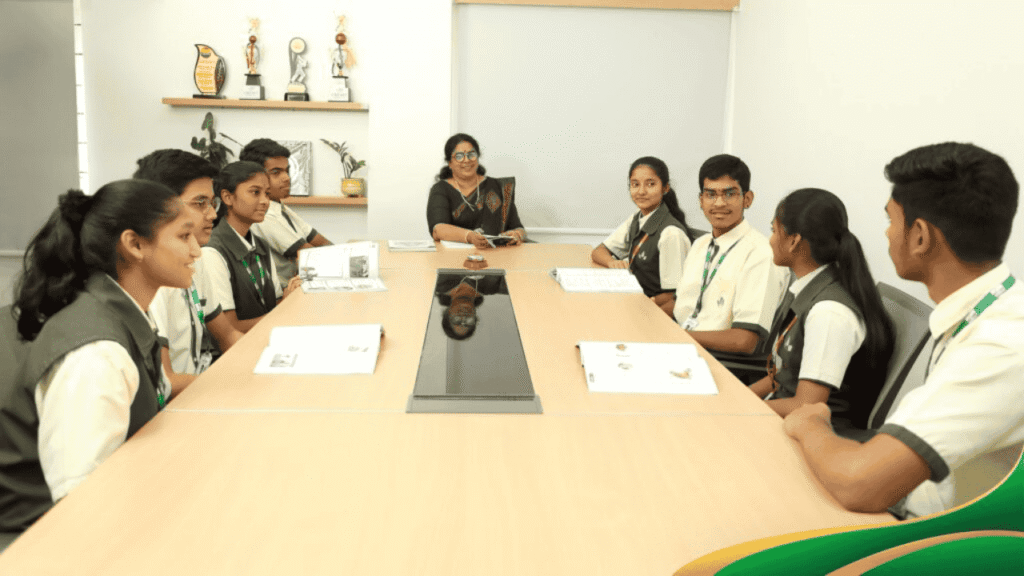
Completing SSLC (10th standard) is a key milestone that opens numerous pathways for further education and career development, especially in and around Soraba. Students can choose from technical diplomas, pre-university courses, vocational streams, skill training programs, teacher training, and more. These options help learners pursue academic goals, enter the workforce early, or build specialised skills that are in demand locally and nationally.
Table of Contents
Opportunity Overview
Post-SSLC Options
| Education Path | Duration | Outcome |
|---|---|---|
| Polytechnic Diploma | 3 Years | Technical qualification & jobs |
| Pre-University (PUC) | 2 Years | Pathway to degree education |
| ITI Courses | 1–2 Years | Skilled trades & jobs |
| Diploma in Commercial | 3 Years | Business & office skills |
| Skill Training Programs | 3–12 Months | Short-term employable skills |
| Apprenticeship | 1–3 Years | On-job paid training |
Diploma Education (Polytechnic)
After SSLC, students can enrol in diploma programmes at nearby polytechnic colleges, such as:
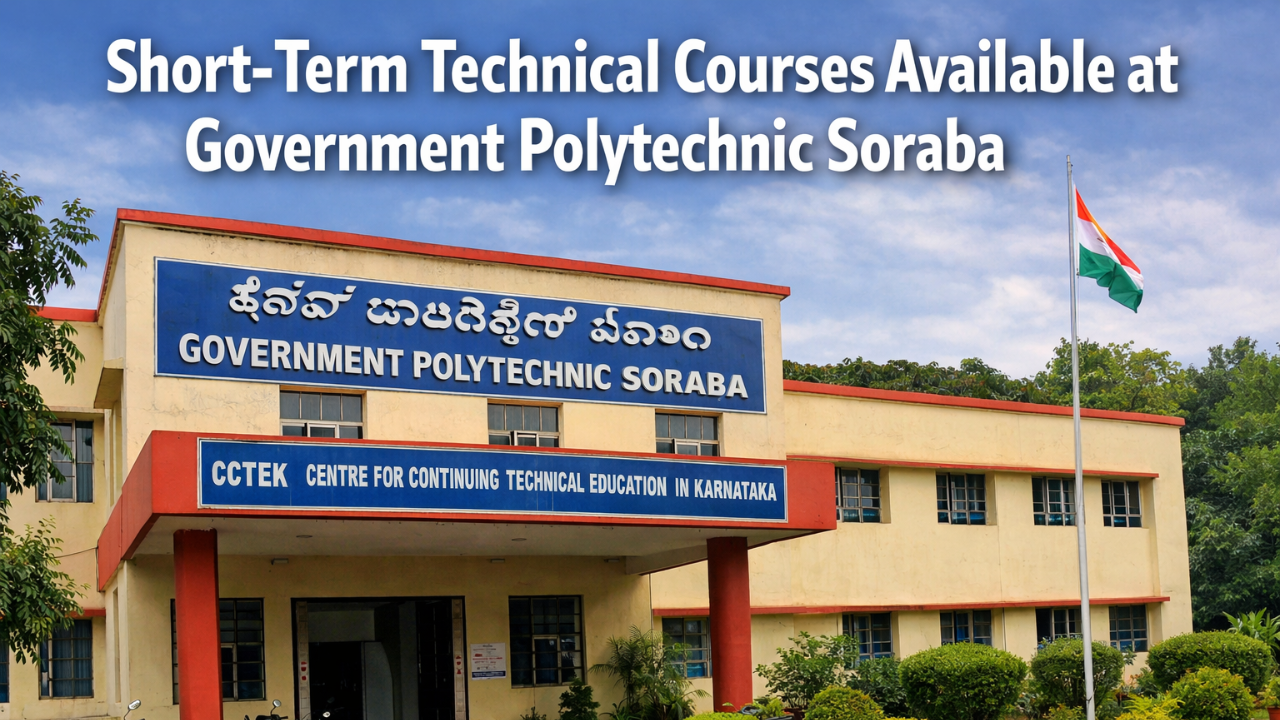
- Government Polytechnic, Soraba
- Government Polytechnic, Shivamogga
- VISSJ Government Polytechnic, Bhadravathi
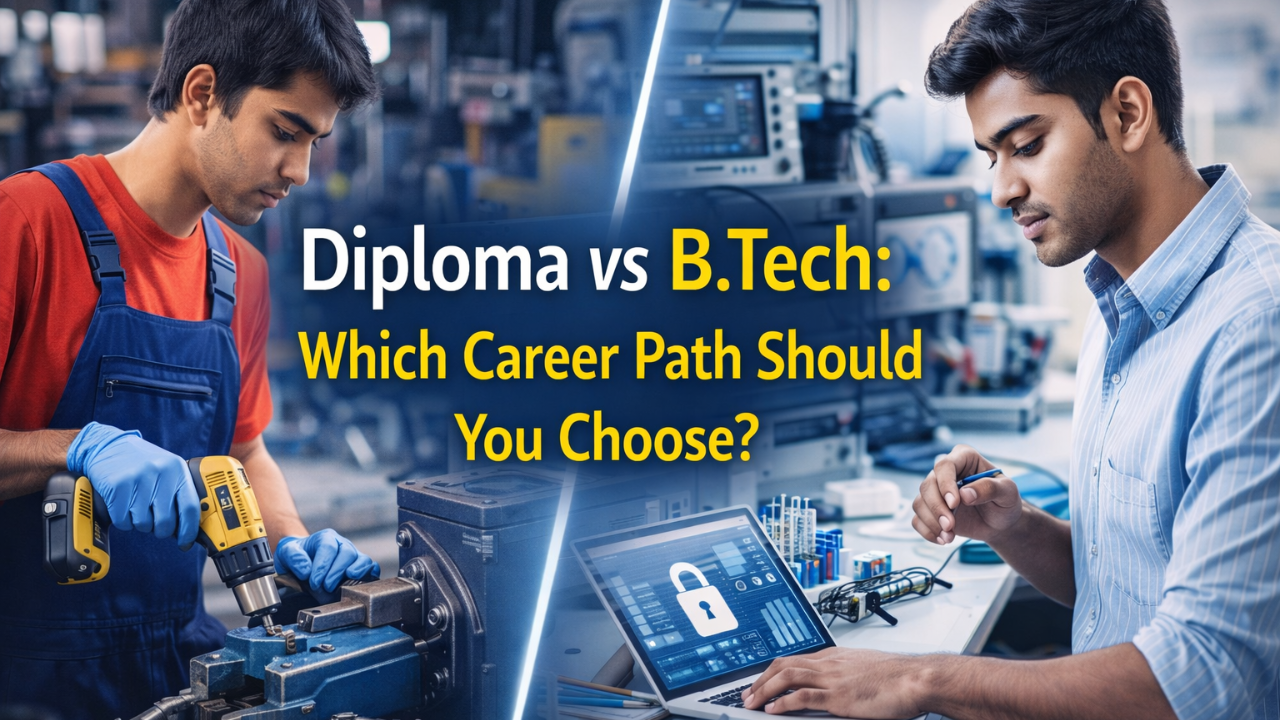
Diploma courses usually span three years and focus on technical subjects such as Civil, Mechanical, Electrical, Computer Science, and Electronics. These programmes combine classroom learning with hands-on training, preparing students for jobs as technicians, junior engineers, field assistants, and practical professionals. Diploma holders can also transition to engineering degrees through lateral entry into second-year B.E./B.Tech programmes.
Pre-University Course (PUC)
Students aiming for traditional degree education after SSLC can choose Pre-University studies:
- Science Stream: Physics, Chemistry, Mathematics — ideal for engineering, medical, and science degrees.
- Commerce Stream: Accounting, Business Studies — suited for business, finance, and law degrees.
- Arts Stream: History, Political Science, etc. — for humanities and social sciences paths.
PUC is a two-year foundation course that qualifies students for undergraduate programmes at colleges and universities.
Industrial Training Institute (ITI)
ITI courses offer practical trade training in short durations (usually 1 to 2 years). Trades may include:
- Fitter
- Electrician
- Welder
- Refrigeration & Air-conditioning
- Automobile Mechanic
- Computer Operator & Programming Assistant (COPA)
ITI graduates find work as skilled technicians in workshops, factories, utilities, and service sectors. Many students from Soraba and the surrounding areas choose ITI for early employment and hands-on training.
Diploma in Commercial Practice
This course is a three-year vocational diploma focusing on business and office skills, such as:
- Accounting & Bookkeeping
- Office Management
- Computerized Administration
- Communication Skills
It suits students interested in clerical, administrative, and business support roles in local businesses or government offices.
Short-Term Skill Training
Short-term courses help SSLC students gain specialised skills quickly. Common areas include:
- Basic Computer & Office Tools
- Spoken English & Communication
- Retail & Sales Training
- Tally & GST Accounting
- Hospitality & Front Office Skills
- Beauty & Wellness
These are generally offered through private training institutes, skill development centres, or employment guarantee programmes.
Apprenticeship Opportunities
After or during vocational training, students can join apprenticeship programmes that combine on-the-job experience with technical learning. Apprenticeship options include:
- Mechanical workshops
- Electrical installation firms
- IT & computer service centres
- Manufacturing units
- Retail outlets
Apprentices are often paid a stipend, gaining both income and experience.
Government Job Preparations
SSLC students with vocational or diploma qualifications can prepare for entry-level government jobs such as:
- Multi-Tasking Staff (MTS)
- Technical Assistant
- Electrician/Mechanic roles in public utilities
- Assistant operator positions
Preparatory coaching and exam guidance improve chances in competitive tests conducted by local government agencies.
Distance & Online Learning
For flexible study options, students may use distance or online platforms to pursue:
- Language certifications
- Digital skills (coding, graphics)
- Certifications from national bodies
- Foundation courses for competitive exams
Online learning complements formal education and boosts employability.
Higher Education Pathways
Post-SSLC students with diploma or PUC credentials can later pursue:
- Engineering Degrees (B.E./B.Tech)
- Bachelor’s Degrees (BA, BCom, BSc)
- Business & Management Courses
- Specialised Technical Certifications
Lateral entry options allow diploma holders to directly enter the second year of engineering degree programmes.
Career Counselling & Support
Local schools and colleges sometimes provide career guidance sessions that help students explore:
- Personal strengths & interests
- Job market demands
- Course selection support
- Scholarship & financial aid options
Counselling helps students make informed decisions based on goals and skills.
Scholarship & Financial Aid
Students from economically weaker sections may be eligible for:
- State government scholarships
- Fee reimbursement schemes
- Category-based financial support
- Merit awards
Accessing scholarships reduces educational costs and encourages continued study after SSLC.
Community Workshops & Camps
Occasionally, community organisations conduct:
- Skills awareness camps
- IT literacy workshops
- Soft skills development sessions
- Entrepreneurship bootcamps
These resources help students improve employability and confidence.
Local Industry Linkages
Training programmes often connect with:
- Construction firms
- Workshops & manufacturing units
- Retail businesses
- Service & hospitality sectors
These linkages help students find jobs locally without relocating far from home.
In Summary
After SSLC, students in Soraba and nearby areas have a wide range of education opportunities — from diplomas in engineering and vocational training to pre-university courses and skill development programs. With choices that match different interests and career goals, young learners can build practical skills, enter the workforce early, or prepare for higher studies. Exploring scholarships, seeking guidance, and choosing the right path can set the foundation for stable careers and long-term success.