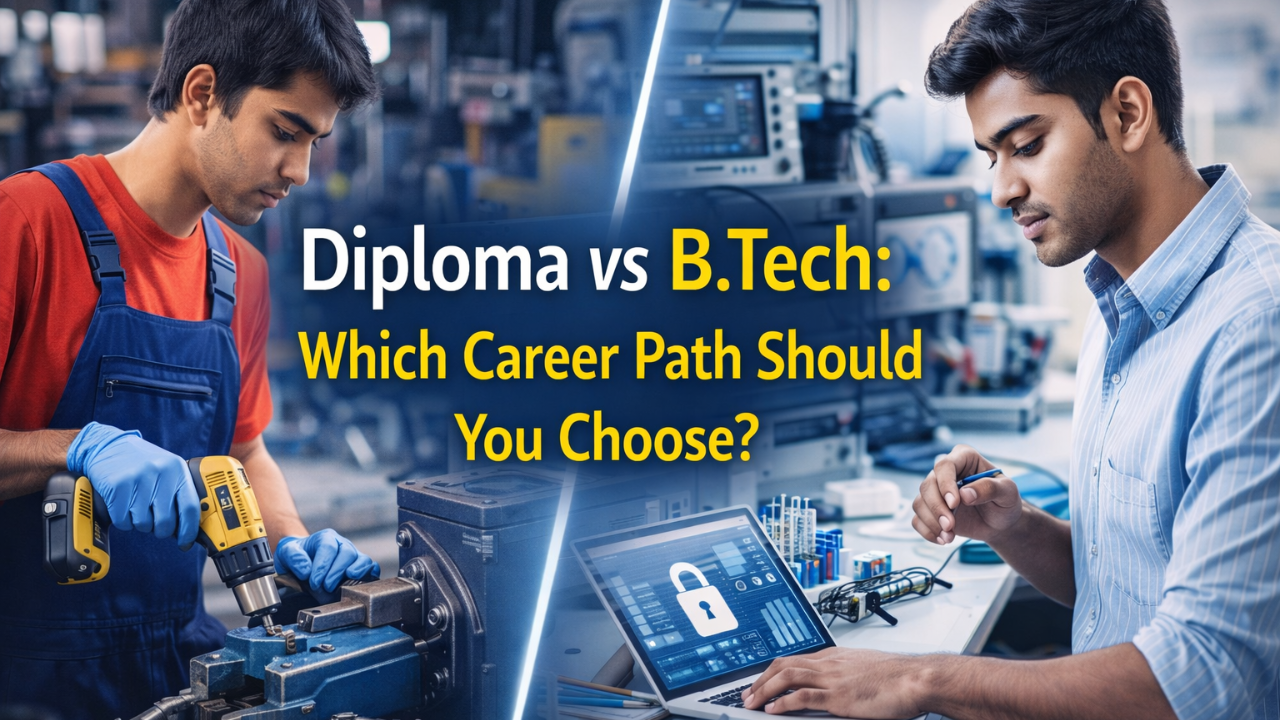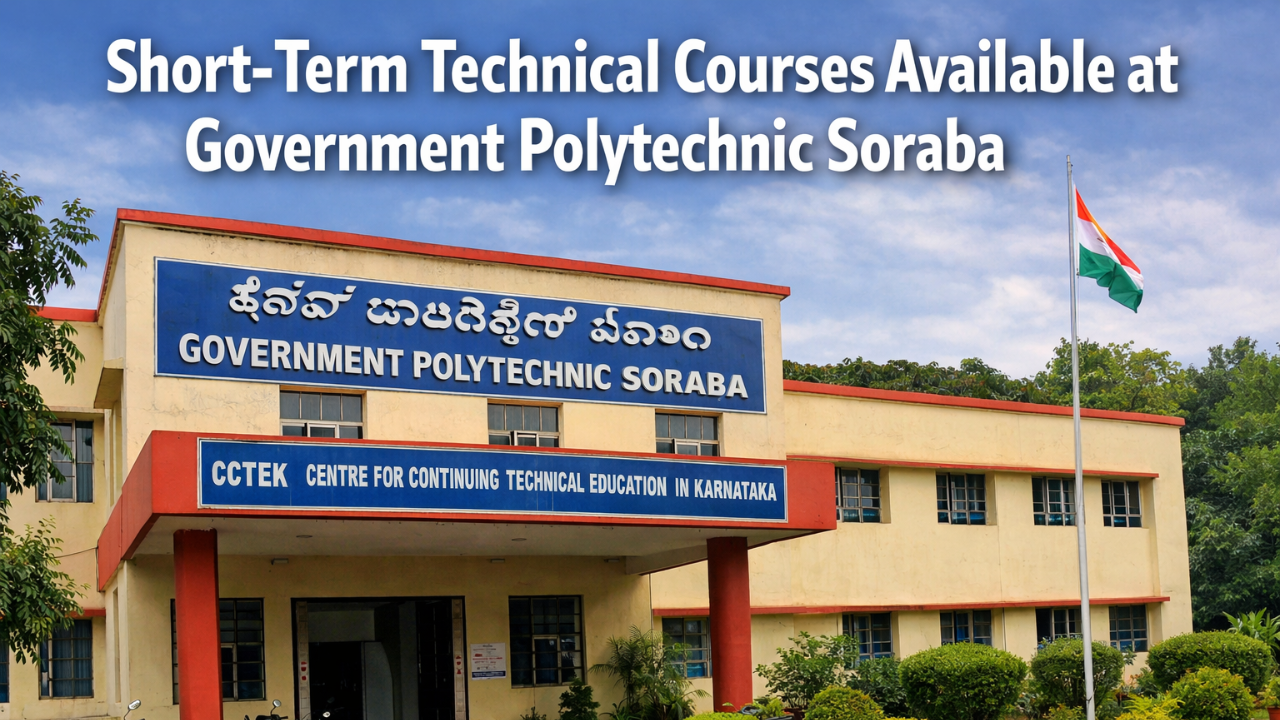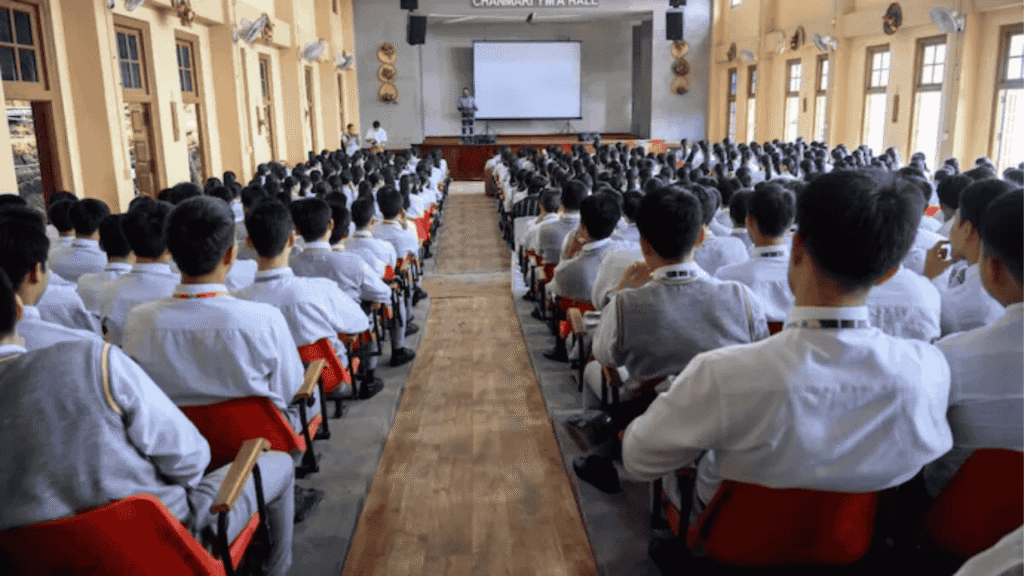
Technical education plays a vital role in strengthening Karnataka’s workforce and industrial growth. Government polytechnic colleges across the state provide affordable diploma programs that focus on practical training, technical expertise, and industry readiness. Under the supervision of the Directorate of Technical Education, Karnataka, these institutions bridge the gap between academic knowledge and real-world technical skills, especially benefiting students from rural and economically weaker backgrounds.
Table of Contents
State Overview
Technical Education Snapshot
| Category | Details |
|---|---|
| Governing Authority | Directorate of Technical Education Karnataka |
| Course Type | Diploma in Engineering & Non-Engineering |
| Duration | 3 Years (6 Semesters) |
| Admission Qualification | SSLC / 10th Standard |
| Target Students | Rural, Urban, Economically Weaker Sections |
Karnataka is recognized as one of India’s leading states in technical and professional education. Government polytechnics contribute significantly by producing skilled technicians, supervisors, and junior engineers who support industries across sectors.
Polytechnic Structure
Government polytechnic colleges operate under standardized academic regulations, semester systems, and evaluation patterns. The curriculum is designed to emphasize:
- Practical laboratory work
- Workshop-based skill training
- Industry-relevant subjects
- Internship and apprenticeship exposure
These institutions are spread across districts to ensure regional balance in access to technical education.
Courses Offered
Government polytechnics in Karnataka offer diploma programs in core engineering and emerging fields such as:
- Civil Engineering
- Mechanical Engineering
- Electrical Engineering
- Electronics & Communication Engineering
- Computer Science Engineering
- Automobile Engineering
The focus is on skill-oriented education that prepares students for immediate employment after diploma completion.
Skill Development
Skill development is the primary objective of government polytechnic education. The training model includes:
Practical Training
Students spend significant hours in laboratories and workshops where they learn machine operations, electrical wiring, drafting, coding, and testing procedures.
Industry Exposure
Industrial visits, guest lectures, and internships connect students with real-world applications and current technological trends.
Apprenticeship Programs
Graduates are encouraged to join apprenticeship schemes that provide hands-on industry experience under supervision.
This structured approach ensures students develop both technical competence and problem-solving abilities.
Government Initiatives
The Government of Karnataka has implemented various measures to strengthen technical education:
- Expansion of polytechnic institutions in rural districts
- Upgradation of laboratories and equipment
- Scholarship schemes for SC/ST/OBC students
- Fee concessions for economically weaker sections
- Digital learning and smart classroom initiatives
These initiatives enhance accessibility and improve educational standards.
Employment Opportunities
Diploma graduates from government polytechnics can pursue careers in:
- Public Works Department
- Electricity Boards
- Railways
- Manufacturing Industries
- Construction Companies
- IT Support Services
Many students also secure positions as:
- Junior Engineers
- Technicians
- Supervisors
- CAD Designers
- Field Engineers
The strong practical foundation increases employability across sectors.
Higher Education
Government polytechnics also serve as a pathway to advanced technical education.
Lateral Entry
Diploma holders can gain direct admission into the second year of B.E./B.Tech programs through lateral entry schemes.
Professional Growth
Some students pursue AMIE, certification programs, or specialized technical training to enhance career prospects.
This vertical mobility ensures long-term professional development.
Rural Empowerment
Government polytechnics significantly contribute to rural empowerment by:
- Providing affordable education close to home
- Reducing migration for education
- Enabling local employment opportunities
- Supporting first-generation learners
Students from remote areas gain technical qualifications that improve family income and community development.
Infrastructure Development
Most government polytechnics are equipped with:
- Engineering laboratories
- Mechanical workshops
- Computer centers
- Libraries with technical resources
- Examination and evaluation systems
Continuous modernization ensures alignment with industry standards.
Economic Contribution
The contribution of government polytechnics extends beyond education. They:
- Supply skilled manpower to industries
- Support infrastructure development
- Promote entrepreneurship
- Strengthen small and medium enterprises
By producing technically trained professionals, they support Karnataka’s industrial and economic growth.
Conclusion Insights
Government polytechnic colleges in Karnataka play a central role in skill development and technical education. Operating under the Directorate of Technical Education, Karnataka, these institutions provide affordable, practical, and industry-focused diploma programs. They empower rural and urban youth with technical skills, create employment opportunities, and contribute significantly to the state’s economic development. Through structured training, government initiatives, and strong industry linkage, polytechnics remain a cornerstone of Karnataka’s technical education system.