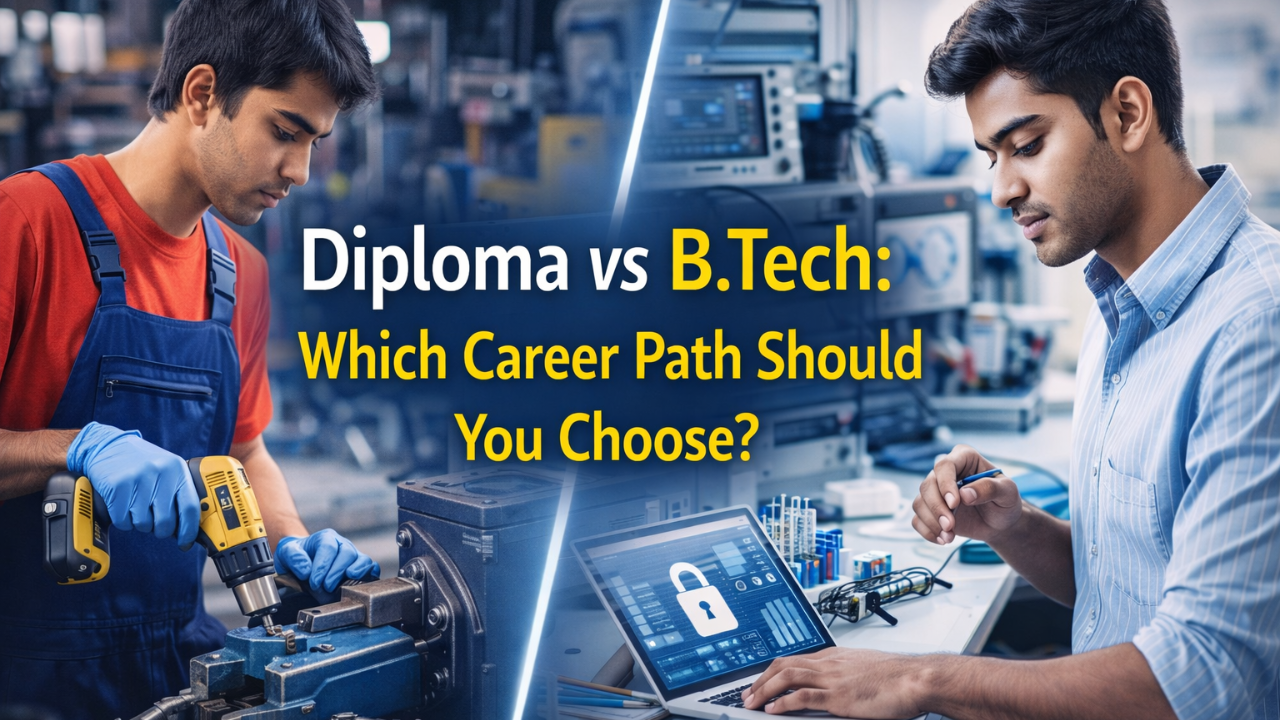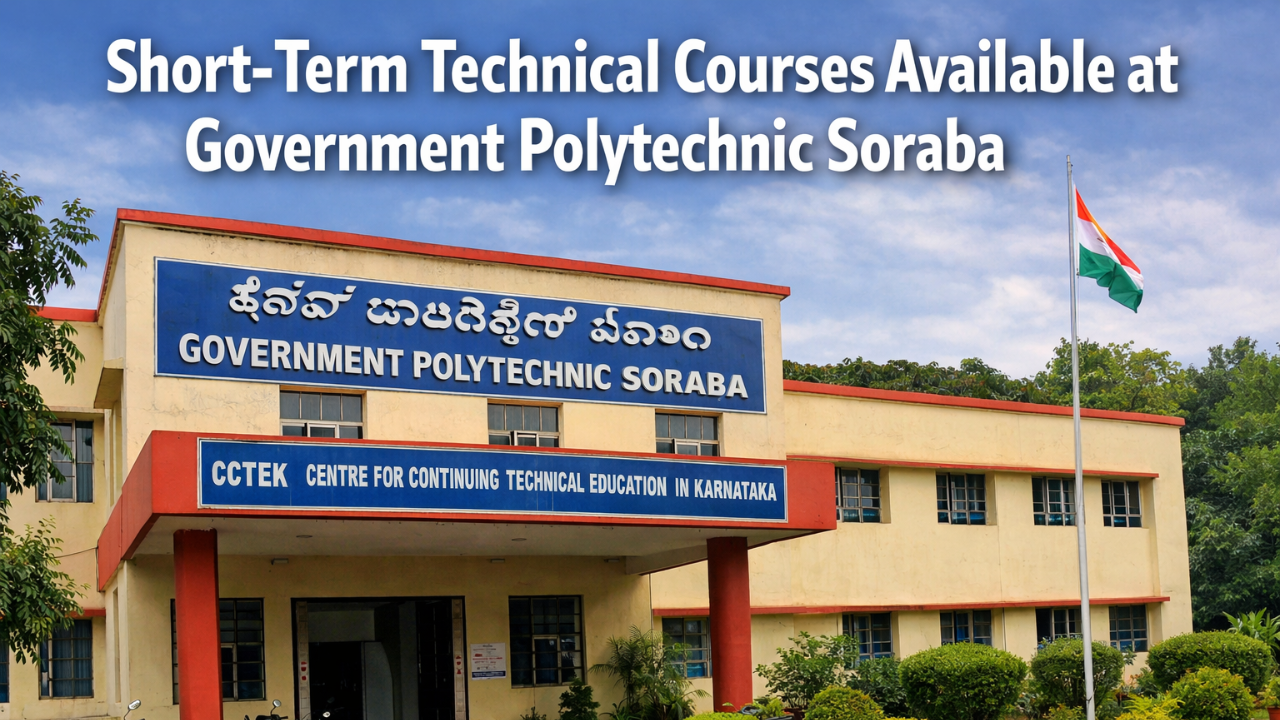
Polytechnic education plays a transformative role in empowering rural youth with practical skills, technical knowledge, and employment-ready competencies. In many rural areas, students seek career paths that are affordable, job-oriented, and accessible without requiring long academic commitments. Diploma programs offered through polytechnics bridge the gap between traditional schooling and industry demands by focusing on hands-on training and applied learning. For rural youth, this form of education opens doors to skilled jobs in government sectors, private industries, and self-employment opportunities.
Table of Contents
Education Overview
Polytechnic Impact
| Aspect | Benefit for Rural Youth |
|---|---|
| Skill-Based Curriculum | Practical job-oriented learning |
| Shorter Duration | 3-year diploma program |
| Affordable Fees | Accessible to low-income families |
| Industry Training | Real-world work exposure |
| Government Recognition | Eligibility for public sector jobs |
Skill Development
Polytechnic programs are designed to develop technical skills rather than purely theoretical knowledge.
Students gain:
- Workshop training
- Laboratory experience
- Equipment handling skills
- Technical drawing abilities
- Problem-solving techniques
This hands-on exposure makes them immediately employable after course completion.
Industry Relevance
Diploma courses align closely with industry needs. Popular branches such as:
- Civil Engineering
- Mechanical Engineering
- Electrical Engineering
- Computer Science
prepare students for roles in construction, manufacturing, power distribution, IT support, and maintenance services.
Industry-aligned curriculum ensures students are job-ready from day one.
Shorter Course Duration
Polytechnic education typically spans three years, making it:
- Faster than traditional engineering degrees
- Suitable for early employment
- Ideal for students who need to support their families
Rural youth can begin earning sooner compared to longer academic programs.
Affordable Learning
Government polytechnics operate under state education authorities like the Directorate of Technical Education, Karnataka, ensuring regulated and affordable fee structures.
Financial support mechanisms often include:
- Post-matric scholarships
- SC/ST/OBC fee concessions
- Minority welfare schemes
- Merit-based scholarships
Lower educational expenses reduce financial stress for rural families.
Employment Opportunities
After completing a diploma, rural youth can access:
- Junior Engineer positions
- Technical Assistant roles
- Government department vacancies
- Private company technician jobs
- Industrial plant operator roles
Diploma holders are especially valued for mid-level technical positions.
Government Job Eligibility
Polytechnic diplomas qualify students for:
- State government technical posts
- Public Works Department roles
- Electricity board jobs
- Railways technical posts
- Municipal engineering positions
Many rural students prefer stable government employment, making diploma education highly attractive.
Entrepreneurship Opportunities
Polytechnic education also promotes self-employment.
Students can start:
- Electrical repair services
- Welding workshops
- Construction contracting
- Computer service centers
- Agricultural equipment repair units
Technical skills combined with local demand create strong rural entrepreneurship opportunities.
Lateral Entry Pathway
Diploma students can pursue:
- Direct second-year admission into B.E./B.Tech programs
- Advanced certifications
- Skill development courses
This pathway ensures career growth without restarting education from the beginning.
Confidence Building
Polytechnic education helps rural youth:
- Develop communication skills
- Gain technical confidence
- Participate in project presentations
- Engage in teamwork
Practical exposure boosts self-esteem and professional readiness.
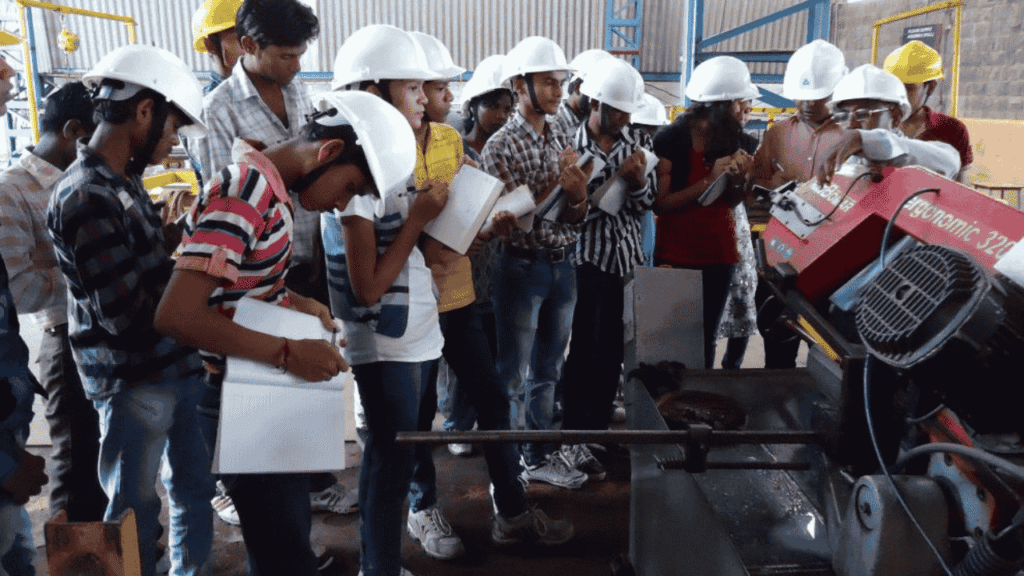
Industrial Training Exposure
Many diploma programs include:
- Internship opportunities
- Industrial visits
- On-site training
- Apprenticeship programs
Such exposure helps students understand workplace expectations before employment.
Bridging Urban-Rural Gap
Technical education reduces the gap between rural and urban employment opportunities.
By acquiring modern skills, rural youth can:
- Compete in national job markets
- Work in industrial hubs
- Contribute to local infrastructure projects
- Participate in digital economy roles
This creates upward social and economic mobility.
Economic Impact
When rural youth secure skilled jobs:
- Household income increases
- Local economies improve
- Migration pressure reduces
- Community development accelerates
Polytechnic education indirectly supports rural development.
Supportive Learning Environment
Government polytechnics often provide:
- Smaller class sizes
- Close faculty guidance
- Affordable hostels
- Community-based campus environment
This makes technical education more approachable for first-generation learners.
Skill Certification Advantage
Diploma holders receive:
- Recognized technical certification
- Eligibility for skill-based recruitment drives
- Access to apprenticeship programs
Certified skills increase employability compared to untrained labor.
Future Outlook
Polytechnic education plays a crucial role in helping rural youth secure skilled jobs by offering affordable, practical, and industry-focused diploma programs. With strong emphasis on hands-on learning, government recognition, and employment-oriented curriculum, polytechnics create direct pathways to technical careers, government jobs, and entrepreneurship. For rural students seeking financial stability and professional growth, diploma education serves as a powerful stepping stone toward sustainable employment and long-term economic empowerment.